
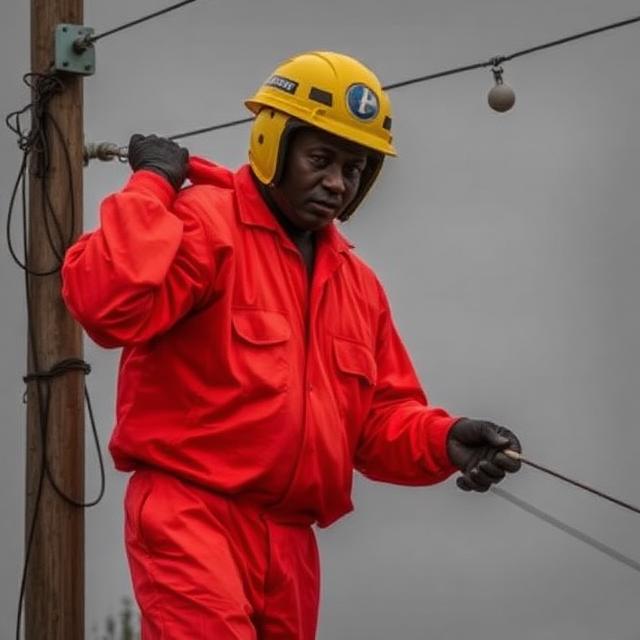
AUS NEWS : Sabotaged in the Storm: Thousands Left Without Service as Copper Thieves Strike During Cyclone Koji
BREAKING ASU NEWS: In a “low act” that has stunned the nation, suspected copper thieves have severely compromised public safety in North Queensland. As thousands of residents in the Townsville region prepared to take shelter from the approaching Category 2 Tropical Cyclone Koji, critical telecommunications lines were severed, leaving entire suburbs in a digital blackout during a life-threatening emergency.
The sabotage, which occurred just hours before the storm’s projected landfall, targeted fibre cables and infrastructure vital for emergency alerts and communication. Queensland Premier David Crisafulli has condemned the act, emphasizing that in a disaster zone, “telecommunications are life and death.”
The Townsville Blackout: A Timeline of Sabotage
The disruption began early on Saturday, January 10, 2026, as the Bureau of Meteorology (BOM) issued urgent warnings for a coastal crossing between Ingham and Bowen. While families were taping windows and checking emergency kits, thieves allegedly targeted a mobile site, severing cables to extract copper for its scrap value.
Affected Suburbs & Restoration Efforts
The outage rippled through several northern suburbs, creating a “communications vacuum” in:
- Mt Low
- Bluewater
- Black River
- Toolakea
- Saunders Beach
Telstra and Optus technicians were forced to work in deteriorating weather conditions, manually removing over 7 kilometers of damaged fibre to restore mobile connectivity. While most mobile services have been brought back online, fixed-line internet and NBN services remain patchy as the region braces for the peak of the storm.
“To target critical infrastructure while a community is under a cyclone warning is not just theft; it is a direct threat to human life,” a local emergency coordinator stated.
The Rising Cost of Copper Theft in 2026
The global demand for copper has driven scrap prices to record highs in early 2026, leading to a surge in metal theft across Australia. These “low acts” often result in massive repair bills that far outweigh the value of the stolen material.
| Impact Category | Estimated Annual Cost (QLD) | Primary Targets |
| Utility Infrastructure | $4.5 Million+ | Grounding wires, substations |
| Telecommunications | Millions in repairs | Fibre-optic backhaul, mobile site cabling |
| Public Safety | Incalculable | 000 access, emergency warning systems |
Essential Insurance Tips: Protecting Your Business from Infrastructure Theft
For business owners in Townsville and beyond, a utility outage caused by theft can lead to significant revenue loss. Standard property insurance may not always cover the “downstream” effects of a cable being cut kilometers away from your office.
1. Review Business Interruption (BI) Coverage
Ensure your policy includes a Utility Service Interruption endorsement. This covers lost income and operating expenses if a covered peril (like theft or windstorm) knocks out your power or telecommunications.
- Check the “Waiting Period”: Most BI policies have a 24-to-72-hour deductible period before they pay out.
- Material Damage Proviso: Confirm if your policy requires physical damage to your own property or if it covers damage to external utility property.
Sabotaged in the Storm: Thousands Left Without Service as Copper Thieves Strike During Cyclone Koji
BREAKING ASU NEWS: In a “low act” that has stunned the nation, suspected copper thieves have severely compromised public safety in North Queensland. As thousands of residents in the Townsville region prepared to take shelter from the approaching Category 2 Tropical Cyclone Koji, critical telecommunications lines were severed, leaving entire suburbs in a digital blackout during a life-threatening emergency.
The sabotage targeted fibre cables and infrastructure vital for emergency alerts. Queensland Premier David Crisafulli condemned the act, emphasizing that in a disaster zone, “telecommunications are life and death.”
FAQ: Insurance Coverage for Infrastructure Failure & Storms
When a “low act” of theft combines with a natural disaster, navigating insurance can be complex. Here are the most frequently asked questions regarding coverage and claims.
1. Does my home insurance cover a blackout caused by theft?
Standard homeowners insurance typically covers damage to your property. If a thief cuts a cable on a public street, it is usually not covered under your personal policy because the damage occurred to utility-owned property. However, if the outage causes spoiled food, some policies offer limited coverage (often up to $500).
2. Can businesses claim for lost revenue during a utility outage?
Yes, but only if you have a Business Interruption (BI) policy with a Utility Service Interruption endorsement.
- Waiting Periods: Most BI policies have a 24-to-72-hour deductible period.
- Distance Limits: Some policies only trigger if the damage occurs within a certain radius of your business.
3. Is theft during a cyclone considered a “Storm” claim or a “Crime” claim?
This is a “Crime” claim. While the cyclone provides the cover for the thieves, the “proximate cause” of the telecommunications failure was the intentional act of cutting the cables. This distinction is vital for your claims diary.
Top 5 Insurance Tips for Infrastructure Sabotage
1. Document the “Before and After”
In a cyclone warning zone, take time-stamped photos of your property and inventory before the storm hits. If an outage occurs, document exactly when your services went down. This creates a clear timeline for your indemnity period.
2. Review Your “Equipment Breakdown” Coverage
Standard property insurance often excludes “consequential loss.” Equipment Breakdown Insurance is a high-value add-on that can cover sensitive electronics damaged by power surges or improper shutdowns caused by severed lines. Sabotaged in the Storm: Thousands Left Without Service as Copper Thieves Strike During Cyclone Koji
BREAKING ASU NEWS: In a “low act” that has stunned the nation, suspected copper thieves have severely compromised public safety in North Queensland. As thousands of residents in the Townsville region prepared to take shelter from the approaching Category 2 Tropical Cyclone Koji, critical telecommunications lines were severed, leaving entire suburbs in a digital blackout during a life-threatening emergency.
The sabotage targeted fibre cables and infrastructure vital for emergency alerts. Queensland Premier David Crisafulli condemned the act, emphasizing that in a disaster zone, “telecommunications are life and death.”
FAQ: Insurance Coverage for Infrastructure Failure & Storms
When a “low act” of theft combines with a natural disaster, navigating insurance can be complex. Here are the most frequently asked questions regarding coverage and claims.
1. Does my home insurance cover a blackout caused by theft?
Standard homeowners insurance typically covers damage to your property. If a thief cuts a cable on a public street, it is usually not covered under your personal policy because the damage occurred to utility-owned property. However, if the outage causes spoiled food, some policies offer limited coverage (often up to $500).
2. Can businesses claim for lost revenue during a utility outage?
Yes, but only if you have a Business Interruption (BI) policy with a Utility Service Interruption endorsement.
- Waiting Periods: Most BI policies have a 24-to-72-hour deductible period.
- Distance Limits: Some policies only trigger if the damage occurs within a certain radius of your business.
3. Is theft during a cyclone considered a “Storm” claim or a “Crime” claim?
This is a “Crime” claim. While the cyclone provides the cover for the thieves, the “proximate cause” of the telecommunications failure was the intentional act of cutting the cables. This distinction is vital for your claims diary.
Top 5 Insurance Tips for Infrastructure Sabotage
1. Document the “Before and After”
In a cyclone warning zone, take time-stamped photos of your property and inventory before the storm hits. If an outage occurs, document exactly when your services went down. This creates a clear timeline for your indemnity period.
2. Review Your “Equipment Breakdown” Coverage
Standard property insurance often excludes “consequential loss.” Equipment Breakdown Insurance is a high-value add-on that can cover sensitive electronics damaged by power surges or improper shutdowns caused by severed lines.
3. Use High CPC Keywords for Policy Comparison
If you are looking to switch providers or upgrade your coverage, use these high-value terms to find the most comprehensive protection:
- “Contingent Business Interruption Insurance” (Covers losses when a supplier or utility fails).
“Civil Authority Coverage” (Protects you if the government closes your area due to damage or safety).
- “Comprehensive Commercial Crime Insurance” (Vital for protecting against metal and copper theft).
4. Mitigate Your Loss (The “Cleanup” Rule)
Insurance companies require you to take “reasonable steps” to prevent further damage. If the phone lines are down and you cannot receive orders, use a backup satellite phone or mobile hotspot if available. Keep receipts for any emergency equipment purchased—these are often reimbursable under Extra Expense Coverage.
5. Maintain a Detailed Communication Log
Note the date, time, and name of every representative you speak with at your insurance company and your utility provider. In complex cases involving both a cyclone and theft, a claim diary is your best evidence if a dispute arises.
The Townsville Blackout: A Regional Crisis
The outage rippled through several northern suburbs, creating a “communications vacuum” in Mt Low, Bluewater, Black River, Toolakea, and Saunders Beach. Telstra technicians were forced to manually remove over 7 kilometers of damaged fibre in grueling conditions to restore lifelines.
As Tropical Cyclone Koji makes landfall, the focus remains on resilience. Sabotage during a disaster is a reminder that infrastructure security is a pillar of national safety.
Stay safe, North Queensland. For the latest emergency updates, visit the Disaster Dashboard.