
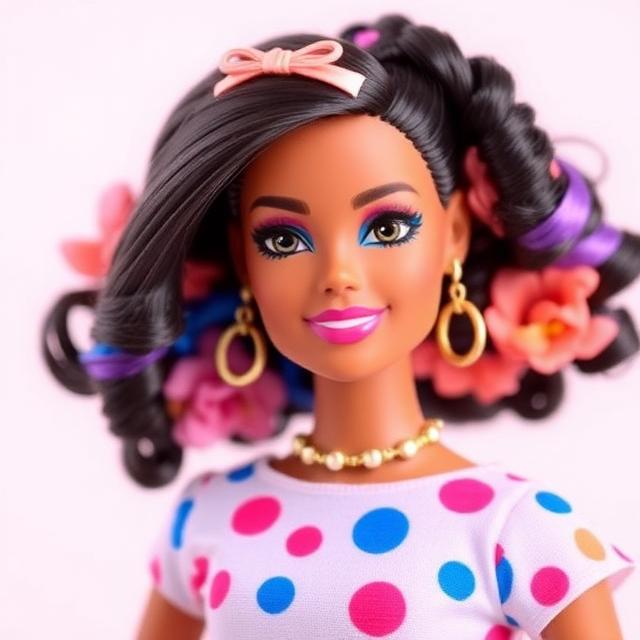
Barbie Makes History: How the New Autistic Barbie is Redefining Representation for Neurodivergent Children
New York News today : The toy aisle just got a lot more inclusive. On Monday, January 12, 2026, Mattel Inc. officially unveiled its first-ever autistic Barbie, a monumental addition to the Barbie Fashionistas Collection. This groundbreaking release isn’t just a new toy; it’s a powerful statement on neurodiversity, inclusion, and the importance of authentic representation in the lives of children.
For decades, Barbie has been a mirror of societal change. From a fashion model in 1959 to a diverse icon representing various skin tones, body types, and medical conditions, the brand has evolved to reflect the world as it truly is. The introduction of a doll on the autism spectrum marks a significant milestone in Mattel’s 18-month journey toward creating a toy that resonates with the millions of individuals worldwide who identify as neurodivergent.
The Design: Small Details, Massive Impact
Creating an autistic Barbie doll presented a unique challenge for Mattel’s design team. Unlike previous additions—such as the Down syndrome Barbie, blind Barbie, or models with prosthetic limbs—autism is often an “invisible disability.” Traits vary widely from person to person, making a single “look” impossible.
To ensure authenticity, Mattel partnered with the Autistic Self Advocacy Network (ASAN), a nonprofit run by and for autistic people. Together, they made intentional design choices that reflect common lived experiences:
- The Gaze: The doll’s eyes are shifted slightly to the side, acknowledging that many autistic individuals find direct eye contact overwhelming or unnecessary.
- The Articulation: For the first time in the Fashionistas line, this doll features articulated elbows and wrists. This allows children to mimic stimming (self-stimulatory behavior) like hand flapping, which is a vital way many autistic people process sensory information or express joy.
- Sensory-Friendly Fashion: The team debated the doll’s outfit extensively. They eventually landed on a loose-fitting, purple pinstripe A-line dress with minimal fabric-to-skin contact, catering to those with tactile sensitivities. Even her purple shoes are flat-soled to promote stability and ease of movement.
Essential Accessories for Autistic Representation
The doll doesn’t come alone; she brings the tools many autistic people use to navigate the world:
- Pink Noise-Canceling Headphones: To manage sensory overload in loud environments.
- Fidget Spinner: A pink finger-clip spinner that actually spins, providing a calming sensory outlet.
- AAC Tablet: A pink tablet displaying symbol-based Augmentative and Alternative Communication (AAC) apps, representing those who use technology to communicate.
Why Representation Matters: The Psychologist’s View
Texas-based psychologists and child development experts are hailing this release as a win for children’s mental health. When a child sees a toy that “looks” or “acts” like them—holding a fidget spinner or wearing headphones—it validates their existence in a way words cannot.
“Toys are the tools of childhood,” explains one specialist. “When a child with autism sees a Barbie with an AAC device, it tells them that their way of communicating isn’t just ‘different’—it’s normal. It’s part of the world we celebrate.”
This representation isn’t just for neurodivergent children; it’s a “window” for neurotypical peers. Playing with an autism Barbie helps children develop empathy and understanding for their classmates who might wear headphones in the cafeteria or avoid eye contact during a conversation.
Expanding the Barbie Fashionistas Collection
This latest release joins an elite group of inclusive dolls that have transformed Mattel’s image over the last few years. The Fashionistas line now features over 175 looks, including:
- Barbie with Down syndrome (introduced in 2023)
- Barbie with Type 1 diabetes
- Barbie with hearing aids
- Barbie and Ken with vitiligo
- Prosthetic limbs and wheelchair users
By broadening the definition of beauty and “normalcy,” Mattel is ensuring that every child can find a “friend” on the shelf that reflects their unique story.
Pricing and Availability
The new autistic Barbie is available now at Mattel.com and Target for a suggested retail price of $11.87. Families can also expect to see her on Walmart shelves starting in March 2026.
In an era where the toy industry is being called to do more for social change, Mattel’s collaboration with ASAN sets a gold standard for how to do representation right: with consultation, care, and a commitment to the community.
TOP BREAKING NEWS ARTICLES TODAY
-
Caroline Kennedy: Remembering the Day JFK Jr. and Carolyn Bessette Died On the Way to Rory Kennedy’s Wedding
HYANNIS PORT, MA — In the long, storied, and often sorrowful history of the Kennedy family, few dates carry the
-

“We Ain’t Got S—“: Ashleigh Banfield Drops Bombshell Revelation as Search for Nancy Guthrie Stalls
TUCSON, AZ — In a devastating blow to the optimism surrounding the search for Nancy Guthrie, veteran true-crime journalist Ashleigh
-

Hesta Super Giant Faces Operational Crisis: Hit by Admin Provider Collapse Risk
The Australian superannuation landscape is navigating a storm of uncertainty as HESTA, one of the nation’s largest industry funds, faces