
BP Appoints Meg O’Neill as CEO After Leadership Shake-Up: New BP Chief Executive Signals Strategic Reset for Global Oil and Gas Giant
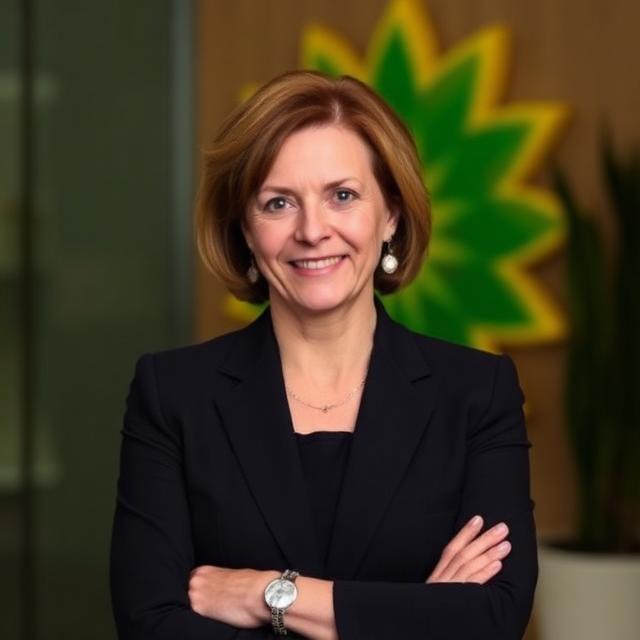
BP has announced a significant leadership change, appointing Meg O’Neill as its new chief executive officer. This marks a historic milestone as she becomes the first woman to lead a major global oil and gas company. The decision comes less than two years after the current CEO, Murray Auchincloss was appointed. He will step down following a turbulent period for the London-based energy giant. This transition highlights BP’s aim to improve governance, regain investor confidence, and redefine its long-term strategy amid changing global energy markets.
The company confirmed that BP executive vice president Carol Howle will act as interim chief executive until Ms. O’Neill officially takes on the role on 1 April. This ensures continuity during the leadership transition. The announcement has captured significant attention across global markets. This interest stems not only from the rapid change at the top but also from the broader implications for BP’s oil, gas, and energy transition strategy.
Why BP’s Leadership Change Matters to Investors and the Energy Sector
The appointment of a new CEO comes at a critical time for the global energy industry. Oil companies face increasing pressure to balance profits, returns to shareholders, and decarbonization commitments. They must navigate unpredictable commodity prices, geopolitical tensions, and regulatory scrutiny. BP’s leadership choices are closely monitored by investors, governments, and competitors.
BP confirmed that Murray Auchincloss will step down after serving less than two years. He took over in September 2024 from Bernard Looney, who left after issues of “serious misconduct” related to undisclosed personal relationships with colleagues. The fallout from that situation raised worries about corporate governance, transparency, and the internal culture at one of the world’s most recognized energy companies.
Although Mr. Auchincloss helped stabilize the company following a challenging period, the board has chosen to reset leadership for the long term. This reflects a desire for clearer strategy and stronger market positioning.
Meg O’Neill: The New Face of BP’s Global Energy Strategy
Meg O’Neill brings extensive international experience and operational know-how to BP. Since 2021, she has been chief executive of Woodside Energy, Australia’s largest oil and gas producer. During her time there, Woodside completed the landmark $28bn takeover of BHP Petroleum International in 2022, making it the biggest energy firm on the Australian Securities Exchange.
BP praised Ms. O’Neill’s history of managing complex energy assets, improving balance sheets, and carefully allocating capital. Under her leadership, Woodside expanded globally, improved operational performance, and established itself as a major player in liquefied natural gas (LNG) markets.
Before joining Woodside, Ms. O’Neill spent 23 years at ExxonMobil, one of the world’s largest energy companies. Her roles there spanned technical, operational, and senior leadership positions. This diverse experience is expected to resonate with BP’s board and investors looking for strong, execution-focused leadership.
A Historic Appointment: First Woman to Lead a Global Oil Major
Ms. O’Neill’s appointment is seen as a breakthrough for gender representation in the energy sector, which has long been male-dominated, especially at executive levels. While several women have held senior positions at major oil companies, none have led a global oil major of BP’s scale.
Industry experts note that her appointment reflects a gradual cultural shift within the energy sector, as companies place more importance on diversity, inclusion, and modern leadership styles. However, expectations remain high. Ms. O’Neill will be judged mainly on her ability to generate shareholder value, manage risks, and guide BP through a rapidly changing energy landscape.
Murray Auchincloss’ Exit and Advisory Role
Murray Auchincloss, who became BP’s CEO in September 2024, informed the company’s chairman earlier this year that he was open to stepping aside if the board found a suitable long-term leader.
“I am confident that BP is now well positioned for significant growth, and I look forward to watching the company’s future progress,” Mr. Auchincloss said after the announcement. He will continue to assist BP in an advisory role until December 2026, providing stability and institutional knowledge during the transition.
Although his term was relatively brief, analysts credit Mr. Auchincloss with restoring operational focus and calming markets after the issues surrounding his predecessor. His departure, however, emphasizes the board’s goal to address recent governance problems.
Interim Leadership: Carol Howle Takes the Helm Temporarily
Until Ms. O’Neill officially joins BP, Carol Howle, BP’s executive vice president, will act as interim CEO. Ms. Howle has extensive experience at BP, with decades spent in refining, trading, and downstream operations.
Her temporary role is viewed as a stabilizing step, ensuring smooth day-to-day operations as the company prepares for its next strategic phase. BP has noted that no major strategic changes are anticipated during this interim period.
Strategic Priorities Under Meg O’Neill’s Leadership
In her first statement after the announcement, Ms. O’Neill expressed her eagerness to help BP “meet the world’s energy needs.” She outlined key priorities, including:
- Re-establishing BP’s market leadership in oil and gas
- Strengthening operational safety and reliability
- Driving innovation and sustainability
- Keeping capital disciplined while investing in future energy solutions
These goals suggest a practical approach that balances traditional oil and gas with investments in cleaner energy. BP has previously faced criticism from some investors for moving too quickly into renewables, while others argue it hasn’t gone far enough. Ms. O’Neill’s background suggests a focus on careful execution rather than large ideological shifts.
What This Means for BP’s Energy Transition Strategy
BP has committed to achieving net-zero emissions by 2050, making it one of the more ambitious oil companies regarding climate targets. However, the company has recently scaled back its spending on renewables, indicating a renewed focus on profitable oil and gas production.
Market analysts expect Ms. O’Neill to continue this reassessment, concentrating on high-return projects, especially in LNG, while selectively investing in low-carbon technologies. Her experience at Woodside, which has a strong LNG portfolio, could influence BP’s future investment choices.
Investor and Market Reaction
The initial market response to the leadership change has been cautious but generally positive. Investors appear reassured by Ms. O’Neill’s operational background and established leadership skills. Governance experts also see the appointment as a step toward restoring confidence after a time of reputational damage.
Energy sector analysts note that stability at the top will be vital as BP deals with regulatory pressures, evolving climate policies, and competition from traditional rivals and renewable energy firms.
Conclusion: A Defining Moment for BP’s Future
The appointment of Meg O’Neill as BP’s new chief executive marks a defining moment for one of the world’s largest energy companies. Her leadership comes at a time when BP must address shareholder expectations, energy security concerns, and the global shift towards lower-carbon energy.
With a solid track record, extensive industry knowledge, and the significance of being the first woman to lead a global oil major, Ms. O’Neill faces both great opportunities and significant scrutiny. How she navigates BP’s strategic priorities in the years ahead will influence not only the company’s future but also its role in the changing global energy landscape.
As BP moves past recent leadership turmoil, both investors and industry observers will closely monitor whether this change at the top brings the stability, growth, and credibility the company now seeks.