
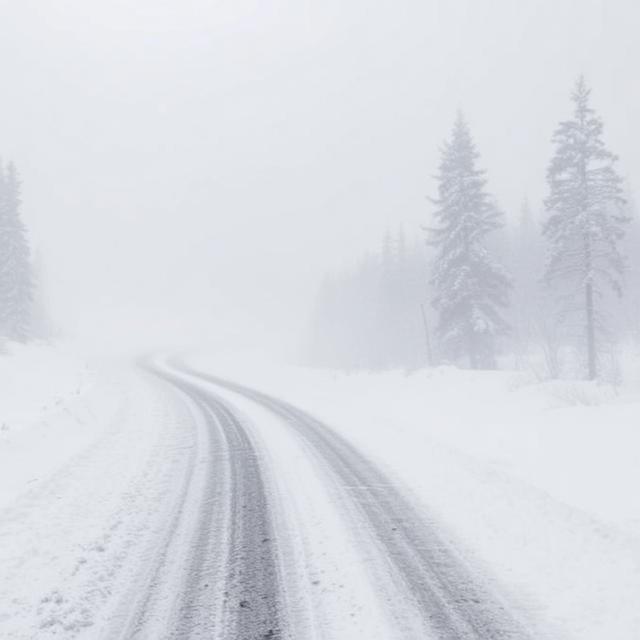
Extreme Weather Events Forecast: Winter Storm Expected to Wallop Alberta With 10–20 cm of Snow, Dangerous Wind Chill
Extreme Weather Reports Canada: Alberta is bracing for yet another significant winter storm as forecasters warn that a fast-moving system will bring heavy snowfall, strong winds, and sharply falling temperatures across much of the province on Wednesday. Environment Canada has issued widespread snowfall and winter storm warnings, cautioning residents to prepare for rapidly deteriorating travel conditions and potential blizzard-like impacts in some regions.
The approaching system is part of a broader pattern of extreme weather events affecting large portions of western and central Canada this winter, driven by clashes between Arctic air masses and moisture-laden Pacific systems. Meteorologists say this active pattern is likely to persist well into the coming weeks.
Heavy Snowfall Expected Across Central and Northern Alberta
According to Environment Canada, a heavy band of snow is forecast to develop early Wednesday morning, stretching from northwestern Alberta through the Edmonton region and into central parts of the province. Rapid accumulation is expected, with total snowfall amounts ranging between 10 and 20 centimetres in many communities by Wednesday evening.
Some localized areas, particularly in northern Alberta, could see even higher totals before the system tapers off. Snowfall rates may be intense at times, significantly reducing visibility and making roads slick and snow-covered throughout the day.
Drivers are being urged to avoid unnecessary travel, allow extra time for commutes, and remain alert to quickly changing road conditions.
Blizzard Conditions Possible in Southeastern Alberta
Forecasters are particularly concerned about southeastern Alberta, including communities such as Provost, Hanna, and Oyen, where the strongest winds are expected to coincide with heavy snowfall. Wind gusts in excess of 60 to 70 km/h could combine with falling snow to create near-whiteout conditions at times.
“Very poor visibility in blowing snow is likely as heavy snow combines with strong, gusty winds,” Environment Canada said in its advisory. While not all regions will meet official blizzard criteria, conditions could deteriorate rapidly, especially in open rural areas and along highways.
Such conditions significantly increase the risk of collisions, road closures, and stranded motorists.
Alberta Clipper Driving the Storm
Weather specialists identify the incoming system as an Alberta clipper, a type of fast-moving low-pressure system that often develops near the eastern slopes of the Rocky Mountains before tracking east or southeast across the Prairies.
Kyle Brittain, an Alberta-based weather specialist, explained that these storms are fueled by sharp temperature contrasts.
“That strong zone of temperature contrast really fuels these storm systems,” Brittain said. “We’re seeing a clash between Arctic air and Pacific moisture, which is creating a powerful winter storm.”
Clippers are known for producing strong winds, quick bursts of heavy snow, and rapid temperature drops—conditions that align closely with Wednesday’s forecast.
Temperatures Plunge, Wind Chill Intensifies
In addition to heavy snowfall, temperatures are expected to fall rapidly as the storm strengthens. In Edmonton, daytime highs are forecast to drop to around –17 C, but brisk winds will push the wind chill to near –27 or colder.
Wind chill is a critical factor during winter storms, as it increases the risk of frostbite and hypothermia, particularly for those exposed for extended periods. Meteorologists also monitor wet bulb temperature, a measurement that combines temperature, humidity, and wind effects to better assess how cold conditions feel on human skin.
When wet bulb temperatures drop significantly below freezing, exposed skin can freeze in minutes.
Residents are advised to dress in layers, cover exposed skin, and limit time outdoors where possible.
Freezing Rain Aftermath Raises Safety Concerns
The snowstorm follows a recent bout of freezing rain across parts of Alberta, which left a thin glaze of ice on roads, sidewalks, and power lines. As snow accumulates atop icy surfaces, traction becomes even more hazardous.
Environment Canada has already issued flash freeze warnings for parts of central Alberta and the Edmonton region, warning that temperatures dropping below freezing could cause untreated surfaces to become dangerously slick.
Emergency officials emphasise that even experienced winter drivers should exercise caution under such conditions.
Travel Impacts and Road Safety
Wednesday is expected to be a particularly treacherous day for travel. Areas west of Edmonton may experience heavier snowfall, while regions to the east will contend with strong crosswinds and blowing snow.
“As you get east of Edmonton, out into those open Prairie fields, there’s more wind effects,” Brittain said. “But treacherous travel conditions are expected, whether there’s wind or not.”
Transportation officials advise checking local highway reports before departing, carrying emergency kits, and ensuring vehicles are equipped with winter tires.
Storm to Taper Off by Wednesday Evening
The heaviest snowfall is expected to taper off from northwest to southeast Alberta by Wednesday afternoon, with conditions gradually improving as winds weaken. In the Edmonton area, heavy snow is forecast to end by the evening hours.
While snowfall may continue after winds ease, accumulation rates should decrease as the system moves out of the region. However, lingering blowing snow and cold temperatures may continue to impact travel overnight.
A Broader Pattern of Extreme Weather
Meteorologists note that this storm is part of a highly active winter pattern affecting much of western Canada. A steady stream of Pacific systems is interacting with Arctic air, creating repeated episodes of snow, wind, and cold.
“We’re going to see temperatures cooling and bringing us some colder conditions in the coming days to weeks,” Brittain said. “If anything, Arctic air may slide even further south.”
This pattern mirrors trends observed in long-term weather history, which show increased variability and intensity in winter storm systems across North America.
Comparing Regional Weather Trends
While Alberta braces for winter extremes, weather patterns vary widely across the continent. In the United States, outlets such as WCCO Weather, KARE 11 Weather, KSTP Weather, and KCRA Weather are tracking different seasonal challenges, from Midwest snow systems to West Coast rainfall.
Meanwhile, popular travel destinations continue to draw interest in climate stability. Searches for Disney World weather, for example, often spike during harsh winter periods in Canada, as travellers consider warmer alternatives.
Meteorologists also rely on global data platforms like OpenWeatherMap to analyse temperature gradients, wind patterns, and storm development across regions. Such tools allow forecasters to compare Alberta’s conditions with those of coastal and marine environments through marine forecast models, which track wind and pressure systems over oceans that can later influence inland weather.
Preparedness Urged as Storm Season Continues
Emergency management officials urge Albertans to remain vigilant as storm season continues. With more systems expected in the coming weeks, preparation remains key.
Residents are advised to:
- Monitor official weather warnings
- Keep emergency kits stocked
- Ensure home heating systems are functioning
- Check on vulnerable neighbours
- Avoid unnecessary travel during peak storm conditions
While winter storms are a familiar reality in Alberta, forecasters stress that the intensity and frequency of recent systems highlight the importance of staying informed and prepared.
As wave after wave of storm systems continue to move inland from the Pacific, Albertans can expect more challenges ahead—but timely information and caution can help reduce risks during this active winter season.
Latest News Today
-

“We Ain’t Got S—“: Ashleigh Banfield Drops Bombshell Revelation as Search for Nancy Guthrie Stalls
TUCSON, AZ — In a devastating blow to the optimism surrounding the search for Nancy Guthrie, veteran true-crime journalist Ashleigh
-

Hesta Super Giant Faces Operational Crisis: Hit by Admin Provider Collapse Risk
The Australian superannuation landscape is navigating a storm of uncertainty as HESTA, one of the nation’s largest industry funds, faces
-
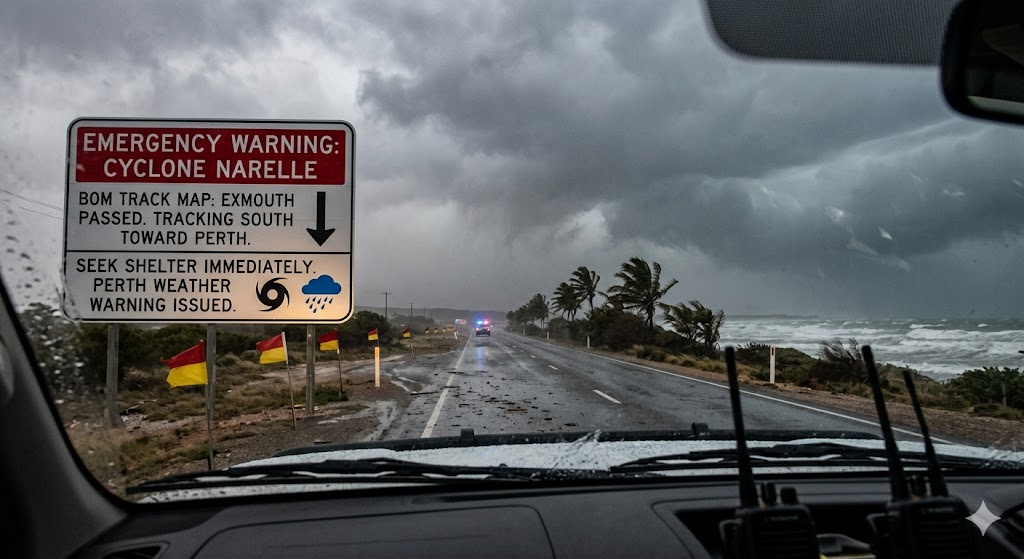
Exmouth Cyclone Narelle: BOM Cyclone Track Map Shows Tropical Cyclone Narelle Live Tracker Moving Toward Perth; Weather Warning Issued
Australia Breaking News Now: Weather updates Exmouth Cyclone Narelle The residents of Exmouth are witnessing the full fury of Severe