
Nashville BNA Reopens Air Traffic Control Tower: FAA Greenlights Resumption of Operations After Weekend of Gridlock
By Staff Reports January 26, 2026
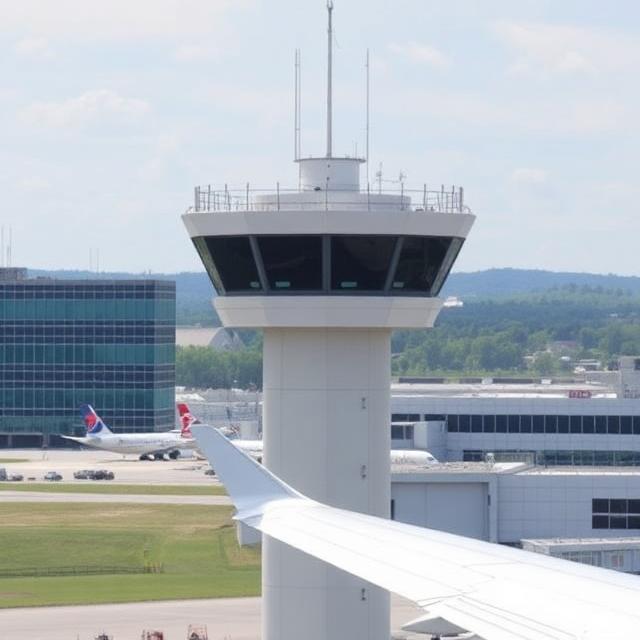
NASHVILLE, Tenn. — The Federal Aviation Administration (FAA) officially notified the Metropolitan Nashville Airport Authority (MNAA) early Monday morning that the air traffic control tower at Nashville International Airport (BNA) has reopened, signaling a cautious return to normalcy for one of the nation’s fastest-growing aviation hubs. The reopening comes after a weekend of unprecedented operational paralysis caused by a perfect storm of catastrophic ice accumulation and a critical staffing shortage within the air traffic control facility.
As of Monday afternoon, BNA airfield teams have resumed normal operations, though the scars of “Winter Storm Fern”—a monster weather system that has claimed lives and left millions without power across the South—remain visible in the form of a massive backlog of cancelled flights and stranded passengers.
Inside the Shutdown: A Staffing Crisis at the Worst Possible Time
The closure of the BNA tower on Sunday was not merely a reaction to the weather, but a symptom of a deeper, systemic issue that has plagued the FAA throughout late 2025 and into early 2026: a national shortage of certified air traffic controllers.
According to FAA reports, the BNA tower was forced to shutter at 1:00 a.m. on Monday, January 26, following a series of “unexpected call-outs” from personnel. These staffing triggers occurred as controllers reached their maximum allowable work hours while attempting to manage the chaos of the winter storm. For an airport that has seen a nearly 4,000% increase in stock-market-level attention via its commercial partners (like the recent BNAI surge) and record-breaking passenger growth, the sudden absence of “eyes in the sky” turned a difficult weather event into a total operational blackout.
The staffing shortage in Nashville is part of a broader national narrative. Earlier in the year, Transportation Secretary Sean Duffy and FAA Administrator Bryan Bedford outlined a proactive 10% reduction in flights at 40 high-traffic airports across the country to mitigate the strain on controllers. However, the intensity of Winter Storm Fern accelerated the timeline of this crisis in Nashville, forcing a total closure when the facility could no longer meet federal safety mandates for minimum personnel.
Winter Storm Fern: The “Ice Factor”
While the staffing shortage was the final straw, the weather provided the foundation for the crisis. Nashville was hit with between 1.0 and 1.5 inches of ice accumulation over the weekend—levels described by meteorologists as “catastrophic” for the region’s infrastructure.
- Flight Cancellations: On Sunday, January 25, BNA saw a staggering 92% of its flight schedule eliminated.
- Airline Impact: Southwest Airlines, which uses Nashville as a primary hub, cancelled 100% of its operations at BNA. American Airlines and Delta followed suit with 95% and 88% cancellation rates, respectively.
- Safety Hazards: The accumulation of ice made runways unusable for fixed-wing aircraft, while “jetbridge freeze” prevented the few planes that did land from successfully offloading passengers.
“Our airfield teams continue working continuously to clear and treat the runways,” BNA said in a statement released Monday morning. “Ice remains our greatest challenge, and we are in a constant state of resupply with orders of de-icing fluid, salt, and other materials.”
John C. Tune Airport Remains Under Restriction
While the main terminal at BNA is seeing the return of commercial jets, the situation at John C. Tune Airport (JWN), Nashville’s primary general aviation facility, remains more restricted. The Metropolitan Nashville Airport Authority confirmed that the Notice to Airmen (NOTAM) prompting the temporary closure of JWN has been extended.
While rotary aircraft, such as helicopters, have been cleared to resume operations because they do not require runways, the facility remains closed to fixed-wing aircraft. Airport officials cited an “abundance of caution” as ground crews continue to fight stubborn ice layers on the JWN runways.
The Path to Recovery: What Travelers Can Expect
Aviation experts warn that while the tower is open, the “recovery mode” for BNA will be long and arduous. Analysts from firms like Cirium and FlightAware noted that Sunday, January 26, 2026, likely stands as the worst single day for flight cancellations in U.S. history since the 2020 pandemic, with over 10,000 flights scrapped nationwide.
For passengers traveling through Nashville this week:
- Check Status Before Leaving: Do not rely on previous schedules. With aircraft and crews displaced across the country, “cascading delays” are expected to last through Thursday.
- Waivers and Refunds: Most major airlines (Delta, United, American, and Southwest) have issued travel waivers for Nashville through January 28. Under federal law, if your flight was cancelled by the airline, you are entitled to a full cash refund, not just a travel credit.
- Ground Transportation: While the airport is clearing, local roads including the I-40 and I-65 corridors remain treacherous.
The FAA has stated that they will continue to monitor staffing levels at BNA closely to prevent a secondary closure. For now, the lights are back on in the Nashville tower, but the journey to a fully restored flight board is just beginning.