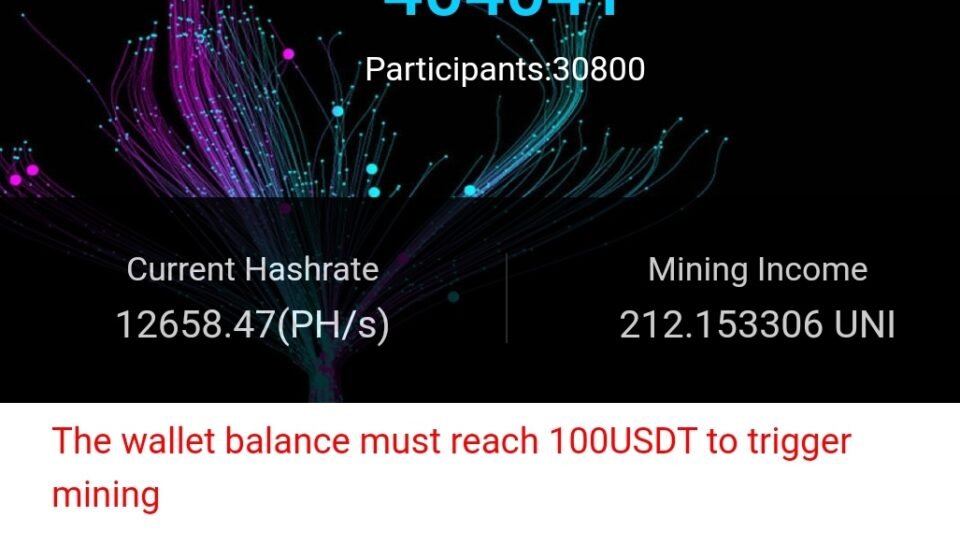

Unmasking the Jingchen Kowloon Facebook Scam and Defimine.net Threat
Investigating the malicious operations of fake social media personas like Jingchen from Kowloon, Hong Kong reveals a sophisticated decentralized finance (DeFi) liquidity pool scam draining millions from unsuspecting investors worldwide. Operating through deceptive platforms like defimine.net, organized cybercrime rings lure victims via Facebook and Instagram under the guise of high-yield crypto staking. Victims who fall prey to this targeted scheme face catastrophic losses, such as the unauthorized transfer of 11,287 USDT to target wallet address
0x6e2c7cda1e5f71404fbb39fe691522984b6dcfdc under transaction hash 0x3d9ff7ac3f23bcbe550a3aa859287fef71979dbb879d5b97522c751475b7ea62.┌──────────────────────────────────────────────────────────┐
│ PIG BUTCHERINGS & DEFI SCAM ANATOMY │
├──────────────────────────┬───────────────────────────────┤
│ Social Engineering │ Smart Contract Exploitation │
├──────────────────────────┼───────────────────────────────┤
│ 1. Deceptive Facebook/ │ 1. Malicious dApp Link via │
│ Instagram Approach │ defimine.net Staking Hub │
│ 2. Trust-Building & │ 2. Unrestricted ERC-20 │
│ Financial Flattery │ Token Approval Granted │
│ 3. Fake Profit Dashboards│ 3. Automated Wallet Drain to │
│ Promising High APY │ 0x6e2c7cda... USDT Address │
└──────────────────────────┴───────────────────────────────┘
The Mechanics of the Defimine.net Staking Trap







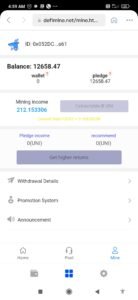
Modern crypto scams have evolved far beyond basic phishing emails into intricate social engineering operations known globally as “Pig Butchering” (Sha Zhu Pan). Fraudsters create convincing online profiles across social networks—often presenting themselves as wealthy fashion executives, investors, or entrepreneurs from Hong Kong or Singapore. After building rapport over weeks of daily conversations, the perpetrator introduces an “exclusive financial opportunity” hosted on decentralized applications like defimine.net.
The website mimics legitimate Web3 liquidity mining protocols, instructing users to connect non-custodial Web3 wallets like MetaMask or Trust Wallet. When a user approves the connection to participate in liquidity pool staking, they unknowingly sign a malicious smart contract transaction. This unlimited token approval grants the fraudster full authorization to drain ERC-20 assets, including Tether (USDT), straight out of the victim’s private wallet.
Deconstructing On-Chain Exploitation Data
Analyzing on-chain transaction logs and reported security tickets reveals precise technical evidence of stolen assets routed through the Ethereum blockchain.
-
Identified Malicious Platform: defimine.net (DeFi liquidity mining phishing portal)
-
Primary Suspect Persona: “Jing Chen” (claiming origin from Kowloon, Hong Kong)
-
Destination USDT Receiver Address:
0x6e2c7cda1e5f71404fbb39fe691522984b6dcfdc -
Verifiable Transaction Hash:
0x3d9ff7ac3f23bcbe550a3aa859287fef71979dbb879d5b97522c751475b7ea62 -
Reported Asset Drain: 11,287 USDT (Stolen through automated ERC-20 transfer permissions)
Comparing Authentic Liquidity Staking vs. Malicious dApp Scams
Understanding the critical differences between verified Web3 protocols and fraudulent phishing dApps is essential for protecting decentralized assets.
| Operational Metric | Legitimate DeFi Staking Protocols | Fraudulent dApps (e.g., Defimine.net) |
| Code Transparency | Fully audited smart contracts published on GitHub | Closed-source or obfuscated contract scripts |
| Wallet Permissions | Requires exact allowance amounts per transaction | Demands unlimited spending approvals (eth_approve) |
| Promised Returns | Variable market-driven APY (3% – 12%) | Fixed, unrealistically high daily returns (1% – 3% daily) |
| Withdrawal Mechanics | Instant or epoch-based un-staking options | Blocked withdrawals demanding “tax payments” or “verification fees” |
| Domain Reputation | Verified high domain authority with history | Freshly registered domains, often hidden behind privacy proxies |
Critical Steps for Victims of Decentralized Financial Fraud
If your Web3 wallet has interacted with defimine.net or similar malicious smart contracts, executing immediate containment measures is critical.
             ┌────────────────────────────────────────┐
             │      Detect Unauthorized Drain         │
             └───────────────────┬────────────────────┘
                                 │
                   ┌─────────────┴─────────────┐
                   ▼                           ▼
        [Revoke Wallet Approvals]    [Document Blockchain Data]
                   │                           │
         Use Revoke.cash or            Save Tx Hashes, Target
         Etherscan Approval Checker    Addresses & Chat Logs
                   │                           │
                   └─────────────┬─────────────┘
                                 │
                                 ▼
                    [File Law Enforcement Reports]
                                 │
                     Contact Local Cybercrime Unit
                     & Submit Exchange Blacklist Notices
                                 │
                                 ▼
                     [Secure Remaining Funds]
-
Revoke Smart Contract Allowances: Immediately visit wallet protection tools like Etherscan Token Approval Checker or Revoke.cash to terminate all spending permissions associated with malicious dApp addresses.
-
Isolate Remaining Assets: Create an entirely new Web3 wallet on an uncompromised device and transfer all remaining crypto assets out of the compromised wallet immediately.
-
File Formal Law Enforcement Reports: Submit comprehensive evidence—including social media profiles, chat logs, domain URLs, target wallet addresses, and transaction hashes—to official cybercrime agencies like the FBI IC3, Interpol, or National Cybercrime Portals.
-
Notify Centralized Exchanges and Stablecoin Issuers: Submit law enforcement incident reports directly to Tether Security and centralized exchanges (like Binance, Coinbase, or OKX) to request the freezing of target addresses tied to organized financial crime.
Beware of Secondary Recovery Scams
Victims of major crypto losses are heavily targeted by “recovery hackers” on social media, Telegram, and online forums claiming they can magically reverse blockchain transactions. Because public blockchains like Ethereum and Tron are immutable, no private individual, ethical hacker, or third-party agency can force a transaction reversal or alter smart contract execution history. Anyone demanding upfront payments, gas fees, or software installation to recover stolen USDT is operating a secondary scam designed to exploit financial distress.
Frequently Asked Questions (FAQs)
Can Tether (USDT) freeze funds stored in the scammer’s wallet address?
Yes, Tether Limited possesses a smart contract function that allows them to blacklist specific wallet addresses on Ethereum and Tron when requested by accredited legal authorities or court orders. However, this process requires formal intervention from law enforcement agencies working directly with financial compliance departments.
How did the scammer drain funds without knowing my private key or seed phrase?
When you interact with malicious dApps like defimine.net, the site prompts you to sign a smart contract approval transaction. This function grants the scammer’s smart contract an unlimited allowance to spend ERC-20 tokens directly from your wallet without requiring your seed phrase or further manual signatures.
What should I do if the fraudster approaches me with a new social media profile?
Cease all communication immediately, document the new profile links and handles, take screenshots of all messages, and add the data to your existing law enforcement case file. Block the user across all platforms to prevent further social engineering attempts.
Protecting your digital assets in the Web3 ecosystem requires continuous vigilance, strict wallet permission management, and skepticism toward unsolicited investment advice across social platforms. By revoking compromised smart contract allowances, gathering on-chain evidence, and reporting fraudulent transactions to official regulatory channels, investors can help dismantle cybercrime networks while safeguarding their remaining capital. Engage in community security discussions on NTLiveNews Forums, explore smart contract security history on the Wikipedia Decentralized Finance Overview, or research verified scam address databases via Google Search.